Free Productivity Tools: The 2026 Toolkit for Remote Teams
Remote and hybrid work is now the default for millions, and the gap between a scattered day and a focused one often comes down to your stack of free productivity tools. You do not need an expensive software bundle to stay organised, collaborate cleanly, and ship work on time. In 2026, a thoughtful set of browser-based utilities can replace half the paid apps teams used to rely on. This toolkit shows you which ones matter and how to use them without drowning in tabs.
The trap most people fall into is collecting apps instead of building a system. More tools rarely means more done. The goal is a small, trusted kit where each utility removes a specific friction point in your day.
Why Your Tool Stack Decides Your Output
Focus is fragile. Research summarised by the American Psychological Association shows that switching between tasks carries a real mental cost, draining the attention you need for deep work. Every time a clumsy tool forces you to stop and troubleshoot, you pay that tax again.
The right utilities protect your attention by making routine actions instant. When formatting text, comparing versions, or converting a file takes seconds instead of minutes, you stay in flow and the day feels lighter.
The Core Categories Every Team Needs
- Capture and notes for ideas, meetings, and quick lists.
- Text and code utilities for formatting, cleaning, and comparing.
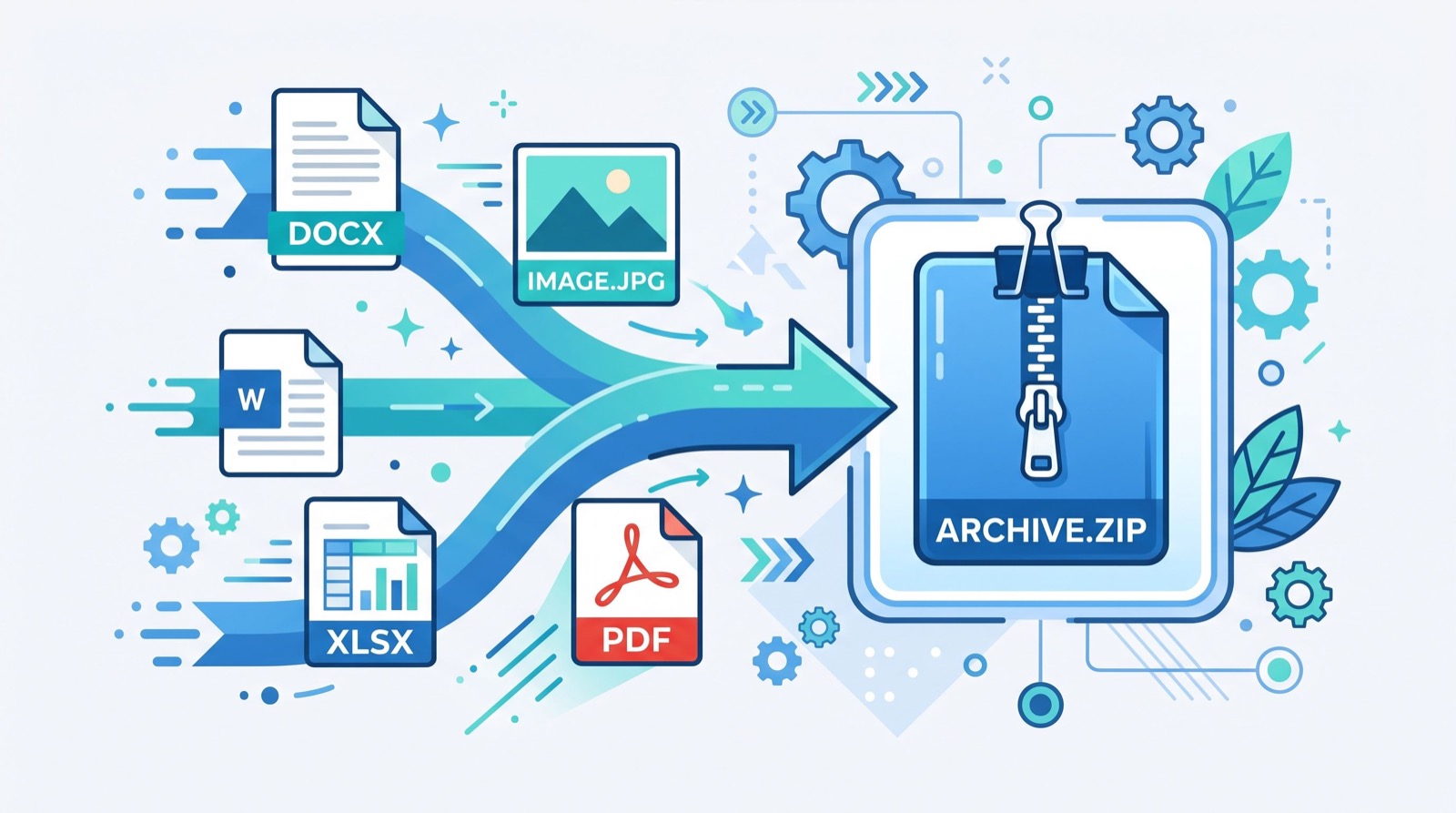
- File handling for converting, compressing, and sharing.
- Time and focus aids for planning and protecting deep-work blocks.
A single well-stocked hub of free productivity tools can cover most of these categories at once, which beats juggling a dozen separate logins across the team.
The Underrated Hero: Comparing and Cleaning Text
Collaboration creates versions, and versions create confusion. When two people edit the same document, contract, or snippet of code, spotting the exact differences by eye is slow and error-prone. A free diff checker online highlights every change line by line, so you approve edits with confidence instead of guesswork.
This single habit prevents a surprising number of mistakes, from a reverted paragraph to a dropped configuration value. Writers use it to track edits, developers use it to review changes, and legal teams use it to compare contract drafts.
A Simple Version-Control Routine
- Keep the original as your reference copy before anyone edits.
- Collect edits from each collaborator in separate files.
- Run a diff check to surface exactly what changed and where.
- Approve or reject each change deliberately, not in bulk.
- Save the merged final as the new reference for the next round.
How Many Productivity Tools Do You Actually Need?
Fewer than you think. The most productive teams run lean, choosing depth over breadth. A good rule is one trusted tool per recurring task, replaced only when it genuinely stops serving you.
| Task | What to look for | How often used |
|---|---|---|
| Note capture | Fast, searchable, cross-device | Daily |
| Text cleanup | Formatting, case, whitespace fixes | Daily |
| Version compare | Clear line-by-line diffs | Weekly |
| File conversion | No watermark, privacy-safe | Weekly |
If a tool appears in your month only once or twice, it probably does not deserve a permanent slot. Bookmark it, but keep your everyday bar short enough that you remember every item on it.
Making the Toolkit Stick Across a Team
Personal productivity is one thing; team productivity requires shared standards. When everyone uses the same converter, the same diff checker, and the same note format, handoffs stop breaking. Document your stack in a shared page so new members onboard in minutes.
Pair the tools with light process. Agree on where files live, how versions are named, and who approves final drafts. If your group is learning new skills together, an experienced local team or a structured course can shortcut the setup and get everyone aligned faster. With shared free productivity tools and clear habits, a distributed team in 2026 can move as cleanly as one sitting in the same room.
Avoiding Tool Fatigue
Review your stack quarterly. Retire anything nobody opens, consolidate overlapping utilities, and resist adding a new app for a problem an existing one already solves. A lean kit is easier to trust and far easier to teach.
Real-World Workflows That Save Hours
Theory is easy; the payoff shows up in daily routines. Consider a small marketing team shipping a weekly newsletter. A writer drafts in a notes tool, an editor compares versions with a diff checker, a designer resizes images in the browser, and the whole thing is packaged and sent without a single desktop app opening. Each step is fast because the tool fits the task exactly.
Developers run a similar loop. They paste a config into a formatter, compare two branches of a text file, and convert logs into readable timestamps, all before lunch. The tools fade into the background, which is precisely the point of a well-chosen stack.
The lesson is that productivity is built from dozens of tiny frictions removed, not from one heroic app. When you shave two minutes off a task you repeat forty times a week, you have recovered more than an hour. Multiply that across a team and the gains become impossible to ignore.
Measuring What Actually Helps
Track which tools you open most often for a fortnight. The winners earn permanent spots; the rest are candidates for the cut. Letting real usage decide your stack keeps it honest and lean over time.
Frequently Asked Questions
Are free productivity tools good enough for professional work?
For the vast majority of daily tasks, yes. Free browser utilities handle note-taking, text cleanup, file conversion, and version comparison to a professional standard. Paid tools earn their place only for advanced automation, large-scale collaboration, or specialised features.
What is a diff checker used for?
A diff checker compares two versions of text or code and highlights exactly what was added, removed, or changed. Writers, developers, and legal teams use it to review edits precisely instead of scanning documents line by line.
How do I stop collecting too many tools?
Adopt a one-tool-per-task rule and review your stack every quarter. If a utility has not been used in a month, archive it. Depth and familiarity with a few tools beat shallow access to many.
Can a remote team share the same browser tools?
Absolutely. Browser-based tools require no installation, so teammates can adopt the same utilities instantly. Document your chosen stack in a shared onboarding page so everyone works from the same toolkit.
Final Thoughts
Productivity is not about having every app; it is about having the right few and using them well. Build a lean, shared kit of free productivity tools, add a little process around version control and file handling, and review it regularly. Start with the categories above, pick one trusted tool for each, and give your 2026 workflow the clarity it deserves.